A gradual but significant shift in water flows from the Black Sea is already affecting the northern Aegean, with potential consequences for marine ecosystems and fisheries, according to new research.
The study, led by scientists from the University of the Aegean and published by Environmental Research Discussions, found that the outflow of less-saline Black Sea water into the northern Aegean has been steadily weakening.
For decades, this influx has shaped the region by forming a surface layer that regulates circulation, temperature and biological productivity.
“These less-saline waters act as a regulator of balance in the northeastern Aegean,” said researcher Yannis Androulidakis told the Athens-Macedonian News Agency. “Today, however, the data show that this flow is weakening.”
The change is linked to reduced river inflows into the Black Sea, particularly from major rivers such as the Danube, due to shifting rainfall and evaporation patterns. Rising sea levels and warming waters in the Eastern Mediterranean are also reducing the pressure difference that drives the southward flow.
In the northern Aegean, waters are becoming saltier and signs of declining marine productivity are emerging, raising concerns for the food chain and, over time, fisheries.
Researchers also warn that the Black Sea inflow carries not only freshwater but nutrients and pollutants from major European river basins.
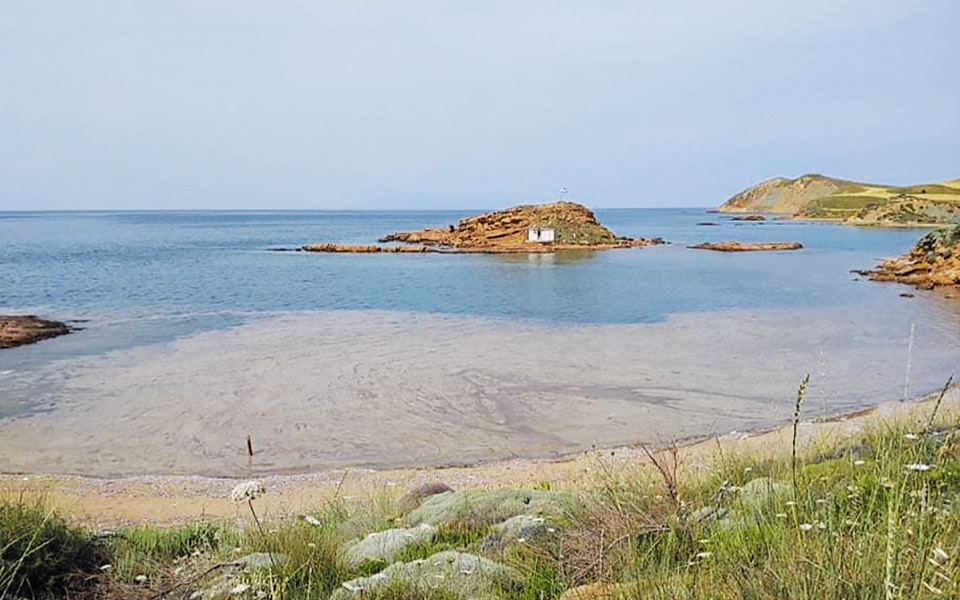
“These waters can transport organic matter and contaminants,” Androulidakis said, pointing to past episodes such as marine mucilage reaching the northern Aegean as evidence of the systems’ close interconnection.
“The northeastern Aegean is a critical hub,” Androulidakis said. “What happens in the straits does not stay there – it spreads across the Mediterranean.”
Scientists warn that continued monitoring is essential as climate-driven changes reshape the interconnected marine system.
